Hypotenuse

What was I thinking? Obviously not much.

For a previous WordPress photo challenge (Object), I posted

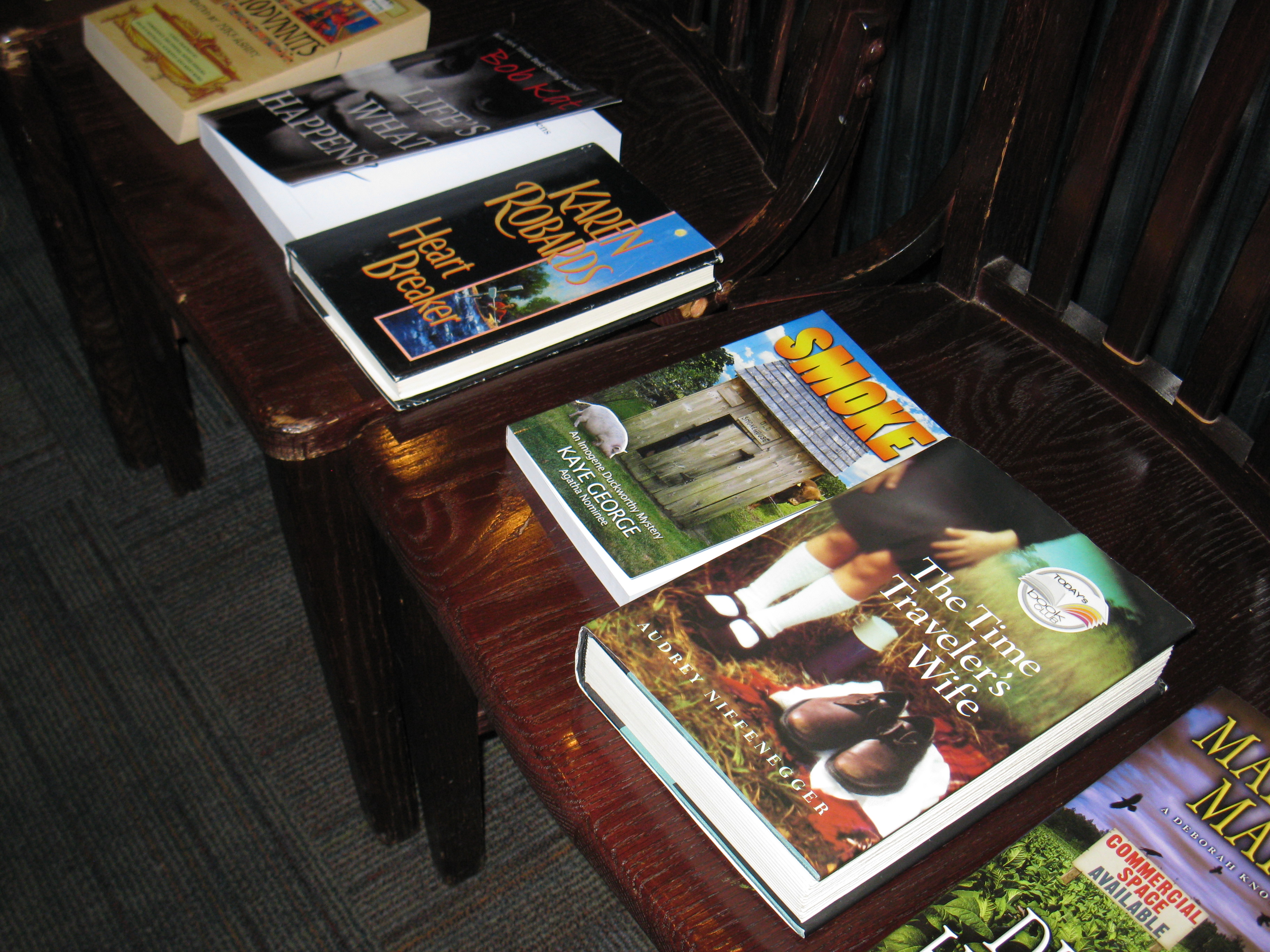
Sisters in Crime Heart of Texas Chapter Book Swap, December 2013

I don’t know why. I’d already picked out several shots I liked better, such as

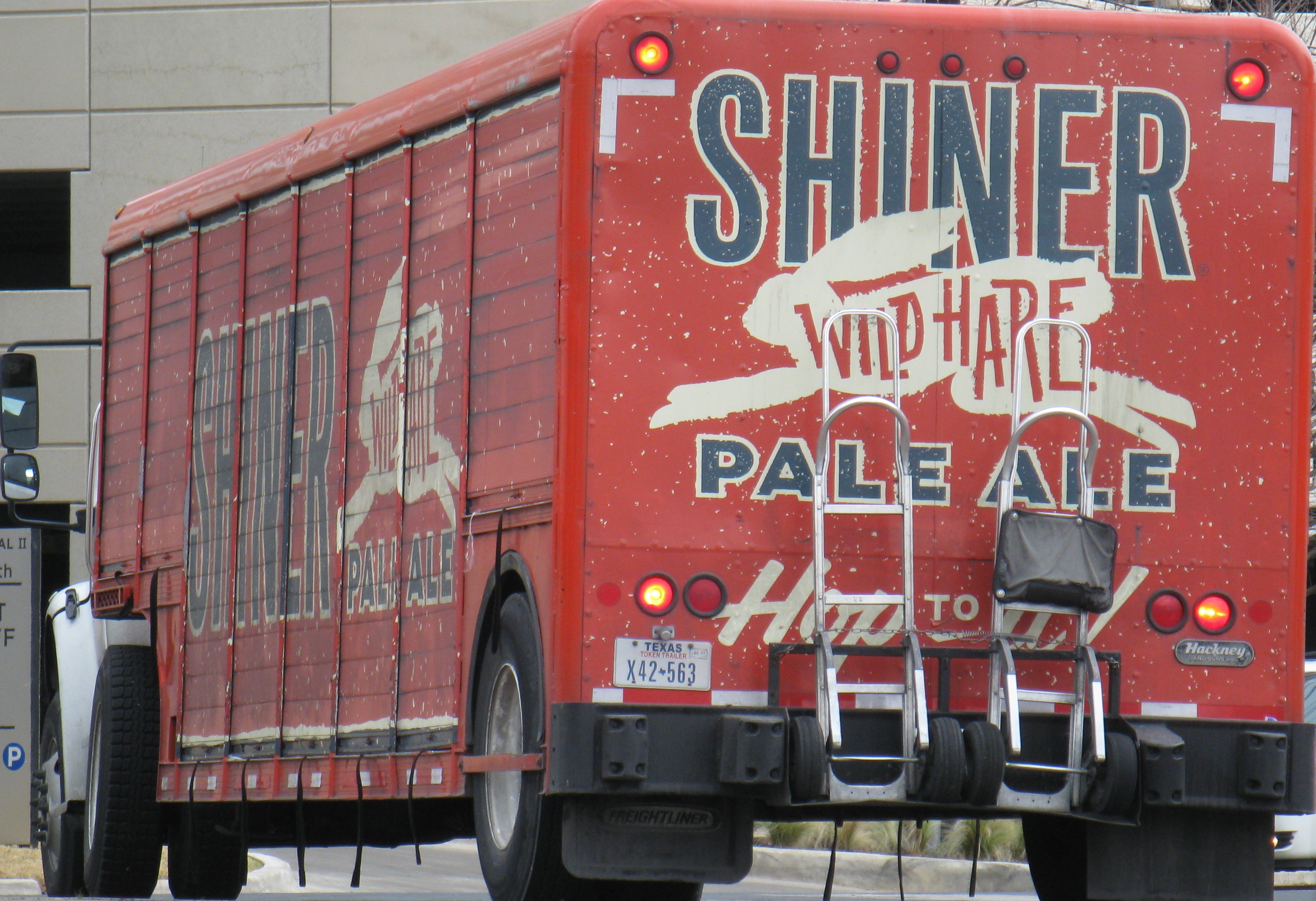
Shiner Beer truck parked at Valero gas station and convenience store, February 4, 2014

and

William's foot on my brand new Kindle, October 21, 2014
William putting his stamp of approval on my new Kindle, October 21, 2014

either of which is more interesting than books on chairs.

But at the last minute the books jumped out and said, Pick me! So I did. I was later appalled at how foolish the photo looked in comparison to those other bloggers posted.

On the other hand, considered as geometric shapes–two right triangles formed from a rectangle, their common hypotenuse composed of mysteries–the picture assumes a significance bordering on the semi-artistic.

Had I cropped more precisely, or had I posted before midnight, I might have observed that before now. But probably not.

You see, I didn’t discover the books formed a hypotenuse by studying the photograph. I saw it while composing this post. I wrote the word diagonal to describe the line of books, and suddenly saw triangles.

In other words, I didn’t know what I knew until I’d written it.

It sounds backward, especially to people who’ve been told they must outline before they write. Which is practically everyone who passed through an English class before the process theory taught by Donald Murray, Ken Macrorie, Peter Elbow, and other teachers was widely recognized. Writing as process allows students to use language to discover what they know and think before they try to organize.

(Ironically, most of those early outliners could have told their teachers that outlining with an empty head doesn’t work.)

When Gertrude Stein says writers have the daily miracle, this must be what she means: allowing language to lead, using the hand to stimulate the mind, being surprised by your own creation, discovering yourself through words you’ve written.

Thinking with a pen, or a keyboard, in hand works for anyone willing to put words on paper or pixels on a monitor.

Results vary, of course.

Stephen King starts writing and ends up with The Shining.

I start writing and end up seeing triangles.

On this day, triangles are miracle enough.

Enhanced by Zemanta

Book Not-Quite-Review: Terry Shames

Back in my teaching days, I handed a student a copy of T. H. White’s The Once and Future King and told her I thought she might like it. She did. So much, in fact, that she volunteered to write a review for the school newspaper.

The review went something like this: I loved this book. It was just so…Guinevere was terrible. She was just so… It was so sad…It’s a wonderful book. I just love it.

Unfortunately, the review was never published, because instead of turning into ideas and thence into sentences and finding its way onto paper, it remained a clump of molecules of emotion lodged somewhere in the vicinity of the student’s corpus callosum. Only a few tiny bits escaped as babble.

The reason was no mystery: The writer was too close to her subject. She lacked distance, detachment. She needed, as Wordsworth said when defining poetry, to recollect her powerful emotion in tranquility.

Lack of detachment is a common condition. I’ve suffered from it for weeks.

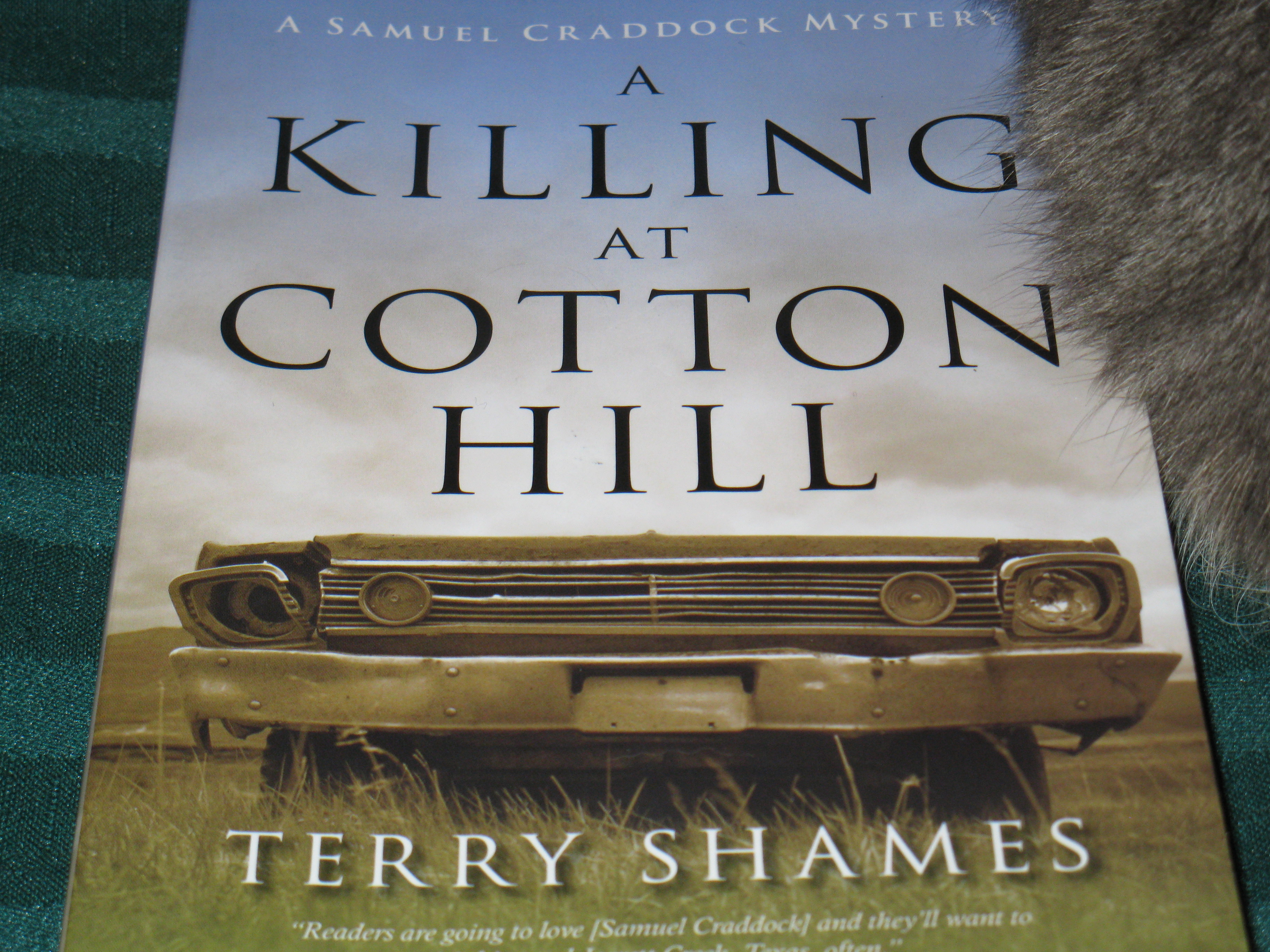
IMG_2814Several days ago, I posted part of a paragraph from Terry Shames’ first novel, A Killing at Cotton Hill, and illustrated it with a photograph of four white-faced Herefords. That was all.

That’s still all. I’m too close to the book. I wouldn’t dare try to review it now.

If I did, it would come out like this:

I love this book. It’s just so…There’s this wonderful sentence on the second page about hovering cows…That’s exactly what cows do…I can just see those cows…The person who wrote that sentence knows cows…And the dialogue…It’s just so…I just love it.

As soon as I saw it, I fell in love with that cow sentence.* I’ve read well past page two, but I can’t erase hovering cows from my mind. So I’ll say no more about A Killing at Cotton Hill.

I can report that yesterday evening I attended a reading at BookPeople celebrating the release of Terry Shames’ second book, and the second Samuel Craddock mystery, The Last Death of Jack Harbin.

Terry spoke, read an excerpt from the book, and finished up by taking questions from the audience. To prevent the possibility that this part of the post turn into babble, I’ll simply list some of the notes I jotted down:

  • Terry is from Lake Jackson. She graduated from the University of Texas and then worked for the CIA. [KW: I have your attention now, right?]
  • Both of Terry’s books were finalists for the Killer Nashville Claymore Award.
  • The Last Death of Jack Harbin is about a veteran who comes home from war damaged in body and in spirit. The book is about what people do with their guilt.
  • Library Journal gave Jack Harbin a Starred Review. [KW: And they don’t hand those out to every book that comes along.]
  • Scott Montgomery, BookPeople’s Crime Fiction Coordinator, says Jack Harbin “subtly works on you”–that you don’t realize its depth until you’ve finished–and you’ll still be thinking about it a week later.

Because of the hour, as well as my lack of detachment, this is as far as my not-quite-review will go. Suffice it to say that I enjoyed Terry’s reading, that I love A Killing at Cotton Hill,** and that The Last Death of Jack Harbin has gone to the top of my To Be Read list.

For more about Terry Shames and her books, read Terry’s “What’s Next for Samuel Craddock” and “MysteryPeople Q&A with Terry Shames,” both on the MysteryPeople blog.

_____

* The sentence isn’t really about cows. It’s about Samuel Craddock. But I am fond of white-faced Herefords, and the image Terry painted is so vivid, the cows overshadow the protagonist, at least in my mind.

** I forgot to take my camera to the reading, so I’ve illustrated with a photograph I took myself. The fur on the right of the book shouldn’t be there, but it was easier to just take the picture than to move the cat.

Enhanced by Zemanta

A Pitch-Perfect Paragraph–For Readers Who Know Cows

English: Herefords, The Park, Ashford Carbonel...
English: Herefords, The Park, Ashford Carbonel. The light coloured bull calf (1 month old) belongs to the cow on the right. (Photo credit: Wikipedia) “Herefords, The Park, Ashford Carbonel” by Richard Webb is licensed under [CC-BY-SA-2.0 via Wikimedia Commons
I head into the house for my hat and my cane and the keys to my truck. There’s not a thing wrong with me but a bum knee. Several months ago one of my heifers knocked me down accidentally and it spooked her so bad that she stepped on my leg. This happened in the pasture behind my house, where I keep twenty head of white-faced Herefords. It took me two hours to drag myself back to the house, and those damned cows hovered over me every inch of the way.

~ Terry Shames, A Killing at Cotton Hill

Enhanced by Zemanta

The Star of Christmas

The star of Christmas shines for all,
No matter great, no matter small,
No matter spotted, brown or white,
It bids us all to share the light.
                        ~ Unknown

*****

In an Atlanta gift shop, on the last road trip my mother and I took together, I bought a packet of Christmas cards designed by a local artist. In the background on the front, there was a star; in the foreground, there were three rabbits–brown, white, and black-and-white. The verse above appeared inside. The design was simple, unsentimental, but touching.

I sent all of the cards but one, and I kept that thinking I might be able to locate more. But I didn’t find any, and sometime over the past twenty-seven years, the card I saved disappeared. I don’t remember the artist’s name, but I do remember the verse. The drawing above doesn’t duplicate the charm of the original, but perhaps it’s close enough.

I’ve searched the web trying to find the name of the artist-poet but have found nothing. If anyone reading this knows the author, or has seen the card I’ve described, please leave a comment. I would like to give proper attribution.

I don’t normally post anything without giving credit, but I love the card and it seemed a shame not to share the verse just because I can’t locate the source.

Shut-eye

A brief report: I’m spending a couple of days with my cousin VZ. That’s the one who fell asleep while I was reading her the first pages of my work in progress two years ago.

I posted about the incident here even as she was snoring away in the other bed–we were sharing a hotel room after attending a bridal shower that afternoon–and I hated to do it but felt it served her right. There’s a certain deference due to writers, and that night she didn’t give me any at all.

Nonetheless, I came to officiate at VZ’s cataract surgery. Experience allows me to say things like, There’s nothing to it, and, Don’t worry, and, They’ll give you enough Valium, you won’t care what they’re doing. I’m also an expert eye drop dropper. Steady hand, good aim, all that.

Surgery took place this morning and all went well. Waiting went well, too, because the ophthalmologist’s office had Wi-Fi and I had my Chromebook. We spent the afternoon doing drops and sleeping. I was supposed to be reading a book but I suppose Valium is contagious. Fortunately, her prescription read every two hours when awake.

VZ crashed again two hours ago. It’s approaching ten o’clock, so I am waking up, as I tend to do about this time every night. I’ll read for a while but will retire in about a half-hour. It’s important that I be awake and alert in the morning. VZ wakes early and will need her eye drops, three different drugs, each with its own set of instructions.

And at present I’m the only one of us who can read.

*****

Image: A Maid Sleeping, Johannes Vermeer [Public domain], via Wikimedia Commons

Wailing and Gnashing and Girdles and Teeth

“And the wild things roared their terrible roars and gnashed their terrible teeth and rolled their terrible eyes and showed their terrible claws.” ~ Maurice Sendak, Where the Wild Things Are

There was wailing and gnashing of teeth today at Writers Who Write.

Now, it’s too early for a digression, but I shall digress. Writing that first sentence, I wondered whether anything besides teeth can be gnashed. So, although everyone says not to research while you’re writing, I googled gnash and found this:

  1. To grind or strike (the teeth, for example) together
  2. To bite (something) by grinding the teeth

I would have searched further for confirmation but was distracted by these words, in  large blue font, about two inches above the definitions:

Wisdom Teeth Removal

Which reminded me of a certain unhappy experience in the office of an oral surgeon in Seguin in 1976, and the effect it still has on my life today. I won’t go into detail, but I will say that if a doctor ever slices one of your arteries and then looks down at you and says, “Do you have high blood pressure?” in an accusing tone, as if it’s your fault that protracted hemorrhaging is messing up his schedule (and you’re only twenty-five and skinny to boot but, under present conditions, who wouldn’t have high blood pressure?) and you want to say, “Don’t you have a cuff in this office?” but can’t–in short, if this should happen to you, do not, under any circumstances, politely refrain from coughing. And afterward, when your mother and your cousin are dragging you from the operating room, do not offer to pay for having the doctor’s nice, starched, formerly white coat laundered.

Well, anyway. To clear my mind of the old insult, I scrolled down the page and found two references:  a line from Dickens’ A Tale of Two Cities:

They danced to the popular Revolution song, keeping a ferocious time that was like a gnashing of teeth in unison.

And one from Homer’s Collection of Hesiod, Homer and Homerica:

Two serpents hung down at their girdles with heads curved forward: their tongues were flickering, and their teeth gnashing with fury, and their eyes glaring fiercely.

And the combination of the two reminded me of a description of Madame Defarge:

Instantly Madame Defarge’s knife was in her girdle, the drum was beating in the streets, as if it and a drummer had flown together by magic; and the Vengeance, uttering terrific shrieks, and flinging her arms about her head like all the forty Furies at once, was tearing from house to house, rousing the women.

That’s my favorite line from ATOTC, not because of its poetry, but because when I read it aloud to my freshman English students, they became still and silent (for the first time that year), and their eyes widened, and their lips formed grim lines, and I knew my politest students were suppressing laughter, doing their best not to be wild things just because they’d heard that a character had a knife in her girdle. The word was funny enough without the knife. Goodness knows what they’d have looked like if Madame had had two serpents in her girdle.

That was the spring of 1984, when teenagers remembered girdle commercials on television.

I took pity and explained the difference between Madame Defarge’s girdle and Jane Russell’s girdle. They began to breathe again. I tucked the moment away to recall at times when I needed a laugh.

When I got into the girdle part of this piece, I realized I needed to confirm when various commercials were aired. I didn’t want to say the Playtex 18 Hour Girdle was advertised in 1980 when it was really the I Can’t Believe It’s a Girdle. During my research, I learned quite a lot about foundation garments. The most arresting fact was that “[t]he Playtex brand completely disappeared from Australia in 1984.” I didn’t take time to find out why, but I have this image of the entire inventory vanishing while picnicking at Hanging Rock.

I also learned that Playtex was once owned by Sara Lee. That must have been the most mutually beneficial arrangement in the history of American retail. First sell them pastries, then sell them girdles. A win-win situation, on the corporate side at least.

In the midst of all this, an event of monumental importance occurred. With an episode of Lou Grant playing in the background, I heard a character portrayed by Laraine Day tell Billie how she had hidden her identity when she moved from Hollywood to housewifery: “I wore specs and took off my girdle.”

Joseph Campbell said, “Follow your bliss and the universe will open doors where there were only walls.”

There I was, blissfully meandering from wailing to teeth to Dickens to Homer to girdles, when up popped another girdle. As if it were planned. Julia Cameron is right. There’s something to be said for relaxing and opening oneself to the universe.

But back to the wailing and gnashing. At Writers Who Write, a twice-weekly work group, I was absorbed in tweaking a short story when the manuscript disappeared and a new screen appeared bearing the message from my Chromebook’s Googledocs: Whoops! That shouldn’t have happened.

No, indeed it should not.

I filled out the requisite form, explaining what had happened: I pressed Enter, or maybe the ” key, or maybe both Enter and the ” key at the same time, and the next thing I saw was Whoops!

I didn’t mention that I pressed the Whatever key with a certain amount of flair, as if I were following my piano teacher’s instruction to Let the piano breathe!

When I was twelve, I was too much concerned with correctness–and preventing stress to my ears–to let my fingers stray too far from the keys, but on the laptop and the Chromebook, I am a veritable Liberace. Googledocs, however, likes correctness.

When I checked about an hour ago, the manuscript was still lost in cyberspace. But I’m easy. If the universe can provide a girdle, coming up with a lost manuscript should be no stretch at all.

###

Image of Jane Russell at the 16th Annual Faith and Values Awards Gala By Credit to lukeford.net (permission statement at en:User:Tabercil/Luke Ford permission)
CC BY-SA 2.5
AMW Workshop: Special Invitation for Procrastinators

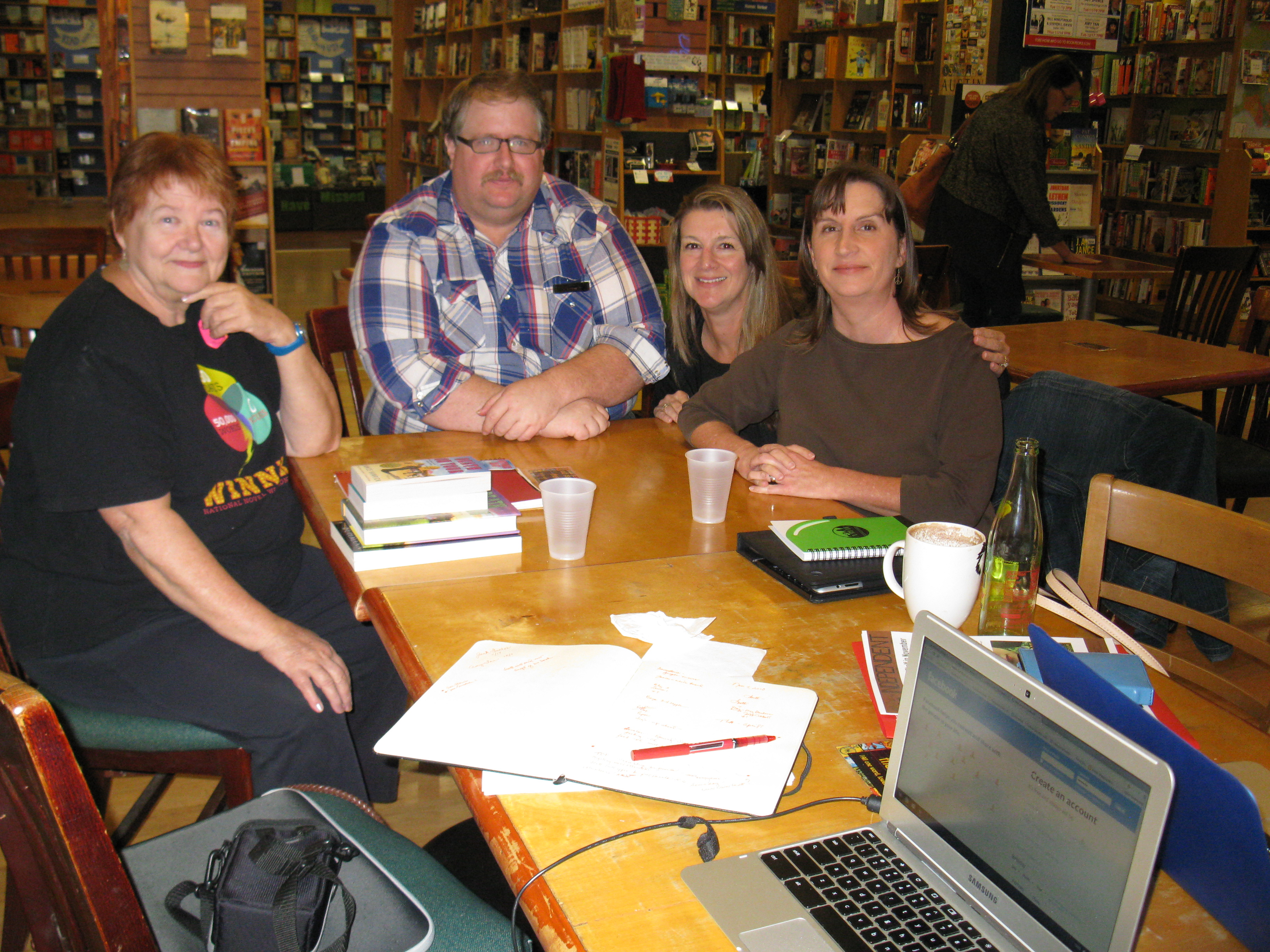
Austin Mystery Writers spent Thursday making last-minute preparations for Anatomy of a Mystery, the free workshop it’s sponsoring today from 9:30 a.m. to 3:00 p.m. at BookPeople in Austin. I offer two photographs as proof. Some of the people in them are duplicated. (My assigned task was to cut up paper for the raffle. Mission accomplished.)

IMG_2550IMG_2551

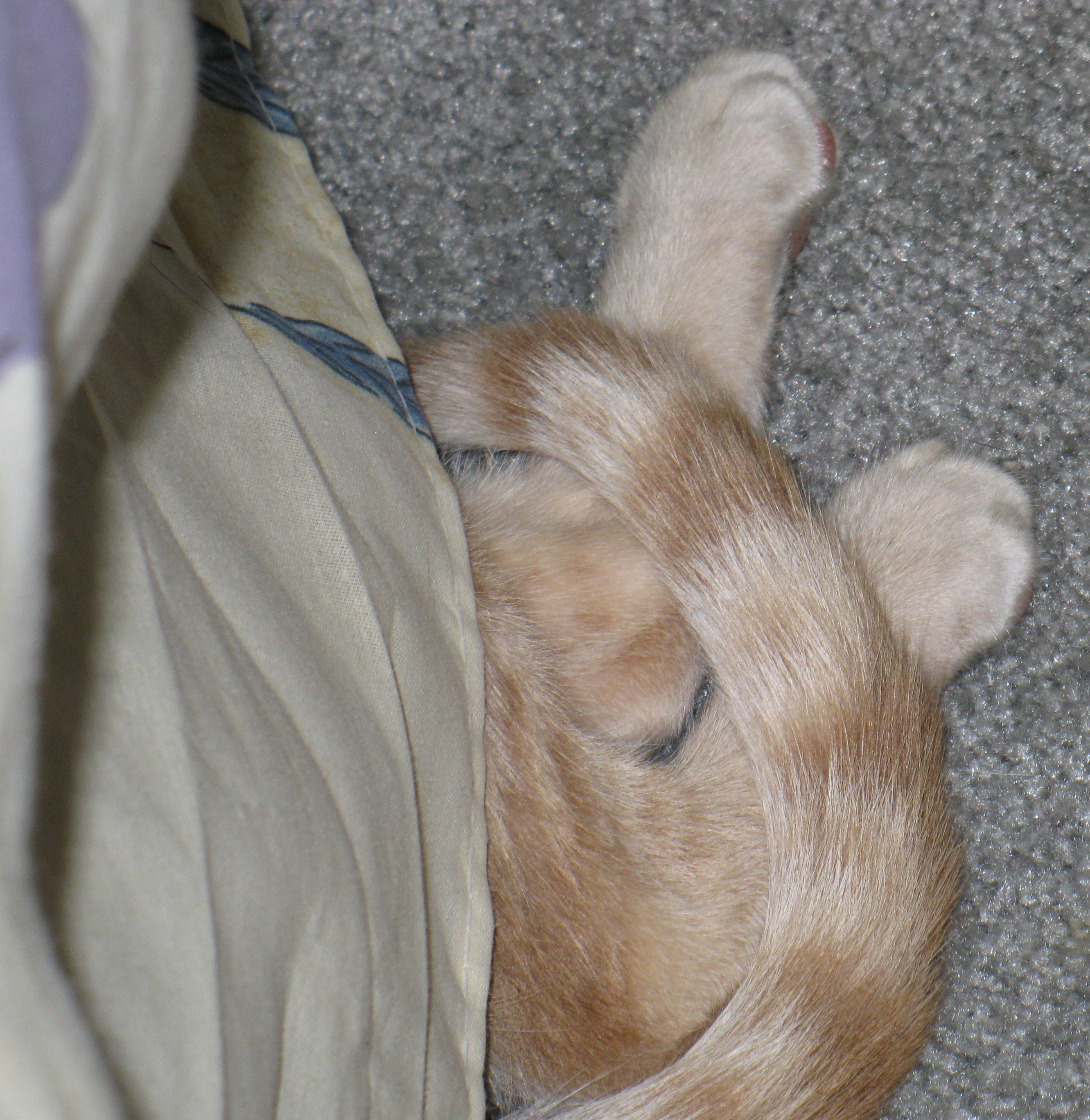
This post, which is being typed around a large cream tabby who insists on operating the space bar, is directed to people like me–people who forget to register, to sign up, to RSVP. People who put things off.

Part of large cream tabby

The message is this: RSVPs are not required for Anatomy of a Mystery.

If you wake in the morning with an insatiable urge to attend a workshop about how to write the mystery novel, do not despair.

Come on down to BookPeople.

Authors Reavis Wortham, Janice Hamrick, and Karen MacInerney, all of whom have proved they know how to write–and have accepted for publication–multiple mystery novels, will share some of their secrets with other writers, aspiring writers, and readers.

It would be a shame to miss this opportunity just because you forgot to tell us you were planning to come.

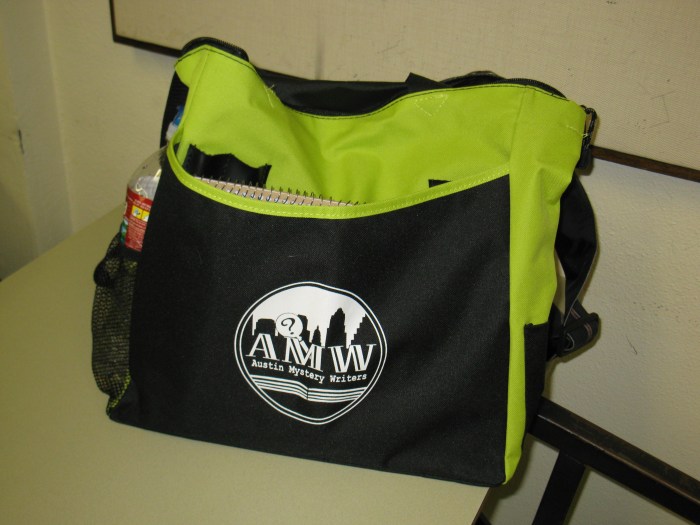
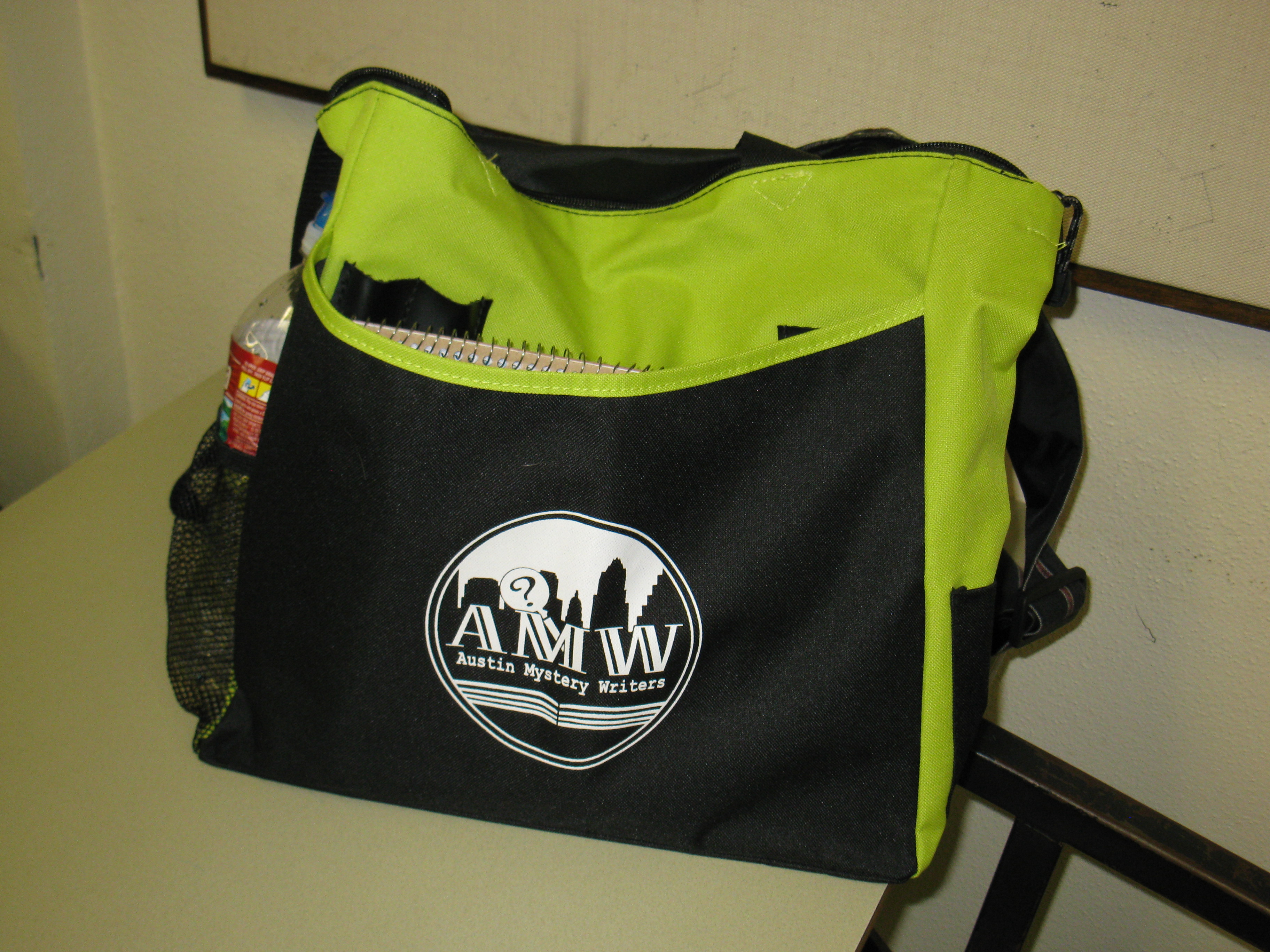
It would be more of a shame to miss the great swag we’re handing out.  One example is pictured here. There are also some books and who-knows-what-else.

Swag
Swag

So take the advice of a veteran procrastinator: show up at Anatomy of a Mystery–and if you can’t stay all day, spend the morning or the afternoon with us.

And don’t worry about crowds. If the room is SRO, you can have my chair and I’ll sit on the floor.

Provided, that is, that you promise to help me get back up.

IMG_2439.1AMW- logo

Blatant Self-Promotion

*

Did I mention my story “And Justice for All”
appears in the Fall 2012/Winter 2013 issue of
Mysterical-E?

English: Sparkler Polski: Zimny ogień
English: “Sparkler Polski: Zimny ogień” (Photo credit: Wikipedia) By Krzysztof Maria Różański, (Upior polnocy) (Own work) is licensed under CC BY 3.0  via Wikimedia Commons

*

Writing Competitions and Opportunities Digest – Edition 12

Limebird Writers post a list of contests and opportunities for writers. Search the archives for previous editions. Thanks, Limebird Writers.

limebirdvanessa's avatarLimebird Writers

Welcome to the 12th edition of our weekly selection of writing competitions and opportunities.

How would you like to be published in a magazine that has previously published original fiction by the likes of Thomas Hardy and F Scott Fitzgerald? You would? Then have a look at the first one below for details.

If you missed the last edition of our digest, you can view it here.

——————

Opportunity type – Short story competition.
Theme – Spring.
Word count – Up to 3,000 words.
Organiser/publisher – Harper’s Bazaar magazine.
Reward – “The winning entry will appear in the May 2014 issue. Its author will be able to choose a first-edition book from Asprey’s Fine and Rare Books Department to the value of £3,000 and enjoy a week-long retreat at Eilean Shona House, on the 2,000-acre private island off the west coast of Scotland where JM Barrie wrote his screenplay for…

View original post 299 more words

Talking Turkey and Cooking Goose

In the previous episode, Kaye George, author of the Immy Duckworthy, PI mystery series, had just suggested members of Austin Mystery Writers publish an anthology of short stories. Her proposal sent me into paroxysms of insecurity and doubt: could I write two stories of acceptable quality in the time allotted? Or would I embarrass myself and slink away, ostracized from the group, never to plot again?

Now, the rest of the story:

The burning questions posed in She Cannot Get Away have been answered, in part. I can write at least one story in the time allotted me. I’ve already done so. Almost.

As with every project, the key is to start early. I started two years ago. In a retreat workshop sponsored by the Writers’ League of Texas, I wrote a fragment beginning with the following sentence:

The day I found Mama stirring ground glass into the eggs she was about to scramble, I took the eggs away from her and called a family conference.

Some readers have seen that sentence before. They may be sick of it. I’ve gotten a lot of mileage out of it, fizzing over what comes next. My critique group suggested it’s the beginning of a novel, but I don’t think the situation has the necessary elasticity. In my hands, a novel starting with four siblings plotting to “put Mama out of her misery” could end up reading like the story board of a Road Runner cartoon: Children drop a metaphorical anvil off a bridge, miss Mama by a hair, light the fuse on a stick of dynamite, miss Mama by a hair, find themselves hoist with their own petard. Over and over for three hundred pages.

Shakespeare, given the same situation, would no doubt have come up with something fresh and original. But Shakespeare didn’t see as many Warner Brothers cartoons as I have. If he had, his creative faculty might have been warped, too.

Well. On July 4 of this year, I posted here that I was optimistic about the chances of getting a story out of the ground glass. Today I report that the two-year-old fragment is now part of a short story with a beginning, a middle, and an end. At our meeting last week, Austin Mystery Writers gave it their approval. Except for one thing. And I knew before a word was said exactly what it would be.

“But nobody died,” said Kaye.

I said I knew that.

“But it’s a murder mystery,” said Gale. “Somebody has to die.”

The three critique partners sitting  the other side of the table nodded.  In unison.

“I was going for subtlety,” I said. “It’s a death of the spirit.”

They stared at me. I stared back.

“But somebody really has to die,” said Kaye.

And then five people said they didn’t understand the last line. I had written the entire story so I could use that line, and no one understood what it meant.

I continued to stare. A string of pejoratives ran through my brain, notably philistines, peasants, and bourgeoisie. Finally I spoke.

“Thank you,” I said.

Then my friends began throwing out ideas for endings they preferred to mine, in each of which someone died. I sighed repeatedly and said things like, Yeahhhh, and Okayyyy, and I guessss…

People who tell inconvenient truths are so irritating. Especially when they gang up on you.

We moved on to discuss someone else’s submission. We chatted a while. We gathered our books and papers and parted.

I didn’t mention they were correct: The ending as written was weak. It fell flat. When I walked into the meeting, I already knew it was wrong. And I knew they wouldn’t let me get away with it.

Thirty minutes later, I sat across town in a writing work group, staring at my laptop monitor and thinking, Kaye gave me the perfect ending. All the suggestions were good, but hers works on multiple levels. It’s so right. Why didn’t I think of it myself?

Oh, who cares about why. What matters is that Kaye thought of it, and that she and four other writers talked turkey and made me listen.

If they hadn’t–and if I hadn’t–I’d have had a bigger problem than the embarrassment of

not turning in a story for the anthology. I’d have faced the humiliation of turning in a story whose last line four highly literate women couldn’t decipher.

Critique groups meet a variety of needs: for inspiration, encouragement, advice, mentoring, ideas, retreats, gossip…and for talking turkey. Carefully. Kindly. Intelligently. Honestly. Firmly. Timely.

I owe Austin Mystery Writers–big time. Because I’m convinced that if they hadn’t talked turkey to me, my literary goose would have thoroughly cooked.

AMW- logo

(Okay, guys, what do you have to say about that ending?)

She Cannot Get Away

Kaye - testimonial - pictures - croppedIf you read the previous post, reblogged from Gale Albright’s Visions and Revisions, you know mystery novelist Kaye George attended the Austin Mystery Writers meeting last week. Kaye, who for a number of years served as AMW’s Grand Pooh-Bah, moved to Tennessee last winter, leaving Gale and me forsaken and forlorn.

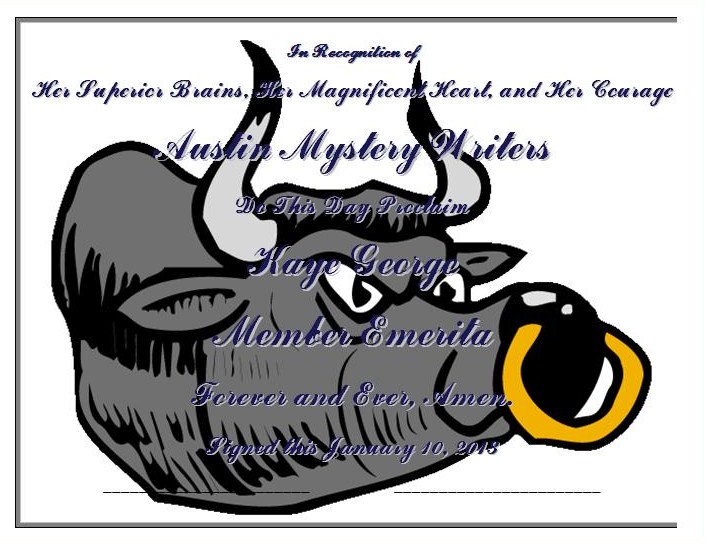
At the Last Lunch, celebrated at the Elite Cafe in Waco, Gale and I presented Kaye a certificate declaring her Member Emerita. It was supposed to say Grand Pooh-Bah Emerita, but, distraught over her impending move, I forgot that part.

The bull pictured on the certificate is an homage to Kaye’s first published novel, CHOKE, in which heroine Imogene Duckworthy narrowly escapes death by goring. I don’t believe that’s a spoiler, since Immy later appears in both SMOKE and BROKE.

Gale and I were foolish to suffer so over our friend’s disappearance because, thanks to the miracle of email, social media, and the Eyes of Texas, which are perpetually upon her, Kaye cannot get away. She’s been gracious about our continued presence in her life. She even suggested AMW publish an anthology of mystery stories, and so we shall. Each member has agreed to write two stories related to a central theme.

The prospect of putting out an anthology is exciting for those of us who haven’t published widely (roughly four of the eight current AMW members), but for me it’s also stressful: What if I can’t deliver? What if I’m already written out? What if I have to tell Kaye George the dog ate my homework? She knows I don’t have a dog.

At this point, I should tell a story related to the questions raised in the preceding paragraph. But it’s nearly 4:00 a.m., David just exchanged sleeping on the couch for sleeping on a bed, and I’m left downstairs hearing, sort of by default, Marvin Hamlisch first say that the music of the ’80s exemplifies our country’s return to family values, and then introduce a very old person I don’t recognize to sing “Under the Boardwalk.”

In other words, I’m outta here. The story will wait until tomorrow.

***

Oh, jeez. Now they’re singing “Jeremiah Was a Bullfrog.” Those family values just won’t quit. What are the PBS folks thinking? 

I have to retire now, before we all drown in sarcasm.

Kaye George Comes to Austin

Austin Mystery Writers were in a dither over a visit by Grand Pooh-Bah Emerita this week. Gale Albright supplies the gripping details.

Gale Albright's avatarVisions and Revisions

The members of Austin Mystery Writers were clustered at their literary haunt in the BookPeople café on Thursday morning, eagerly awaiting the arrival of famed author and Grand Poobah emerita Kaye George.

“Gosh,” I said to the group. “I hope she remembers the little people.”

august 15 bp 050I need not have worried. With all her usual charm and warmth, Kaye George appeared wearing a big fedora, carrying a giant magnifying glass, and blinding us with her dazzling smile.
We had missed Kaye George. Once a guiding beacon in AMW in Austin, she had moved to Waco, then Knoxville, Tennessee, too far away to attend the weekly critique group meetings.

However, that didn’t stop Kaye from being an active participant in AMW. She’s still a major player in the group, we’re glad to say.

august 15 bp 058Kaye George has been an inspiration to fellow writers. She fought hard to become a published author

View original post 194 more words